You've been pushing through the pain — whether it's a swollen knee after a weekend run, a throbbing wrist from hours at the keyboard, or an ankle that just doesn't feel stable anymore. You're not alone. Braces and supports are one of the most common injury tools recommended by healthcare professionals, yet many people either wear them too soon, too late, or for the wrong reason. In Whitby, Ontario, the physiotherapy team at Calm360 helps patients understand exactly when a brace can support your recovery — and when it might actually be holding you back.
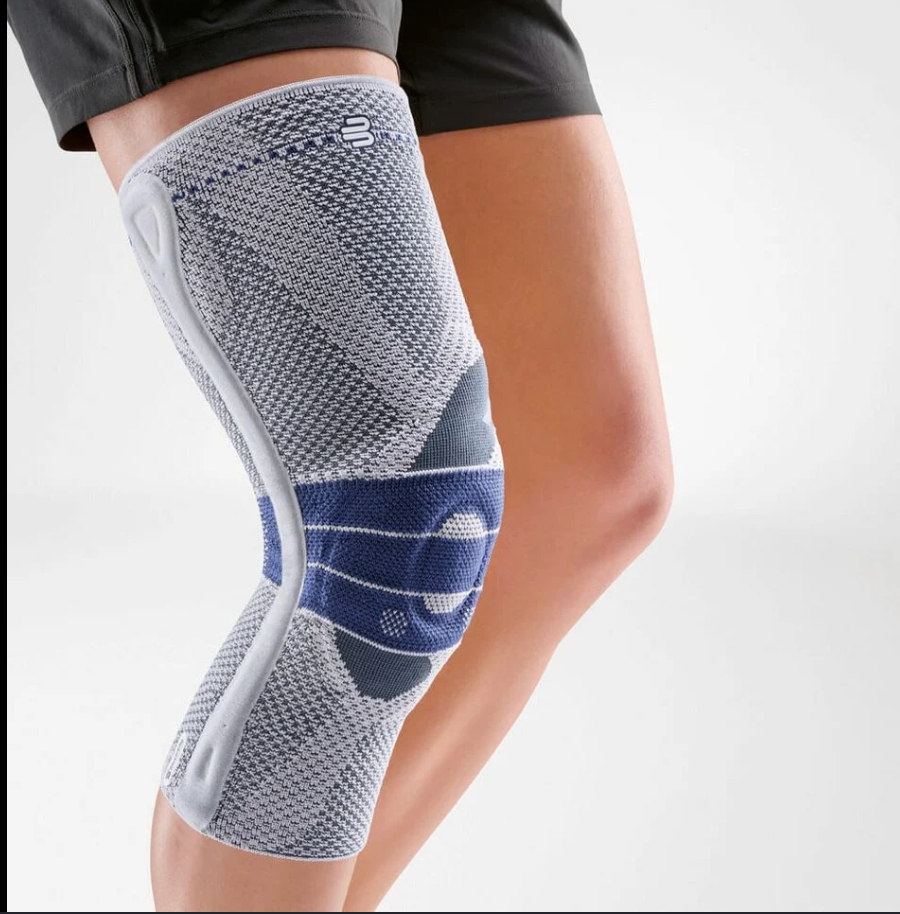
Braces, supports, and compression stockings are orthopaedic devices designed to stabilize, protect, and offload stress from injured or vulnerable joints. They're used across a wide range of conditions, from sports injuries and post-surgical recovery to chronic pain and motor vehicle accident (MVA) rehabilitation. As part of evidence-based care, braces are most effective when prescribed and fitted alongside physiotherapy — not as a standalone solution.
Here's what the research tells us about when braces genuinely help:
Used correctly, braces are a powerful component of holistic wellness and pain relief — but they work best as part of a comprehensive care plan.
Consider this: a patient comes into Calm360 in Whitby, Ontario after a motor vehicle accident (MVA). Her knee had been painful for weeks, and she'd been using a drugstore brace that didn't quite fit. She assumed more support meant faster healing. After a thorough one-on-one assessment, our therapist identified that the brace she was wearing was actually restricting the movement her knee needed to rebuild strength. She was fitted with the appropriate support, combined with targeted physiotherapy and massage therapy — and within weeks, she was back to walking without discomfort.
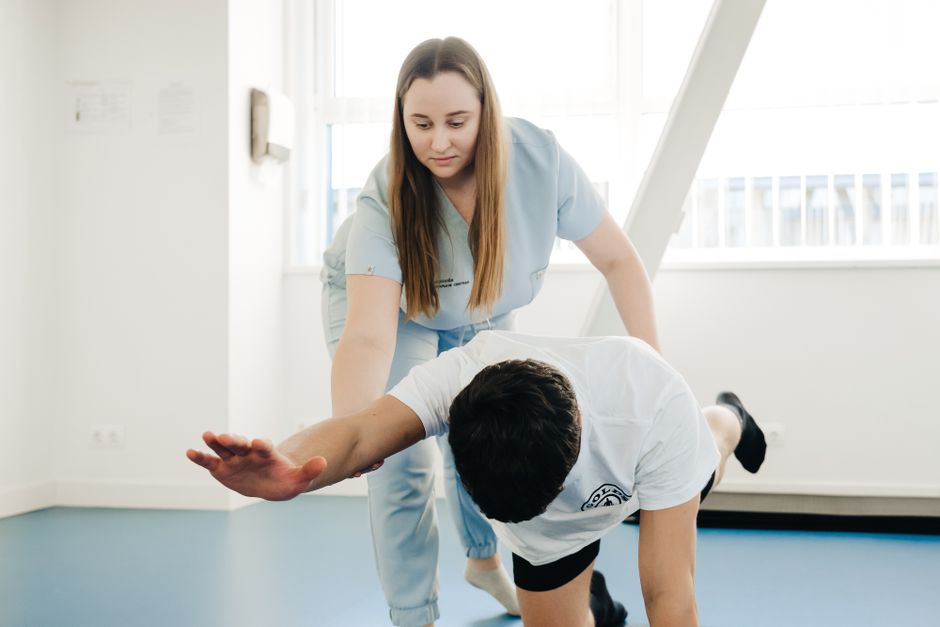
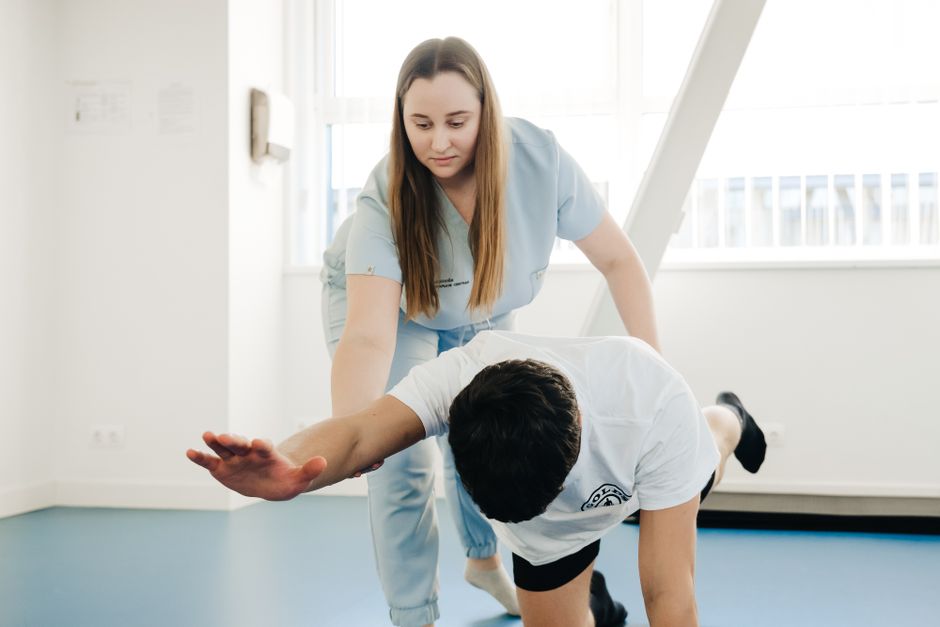
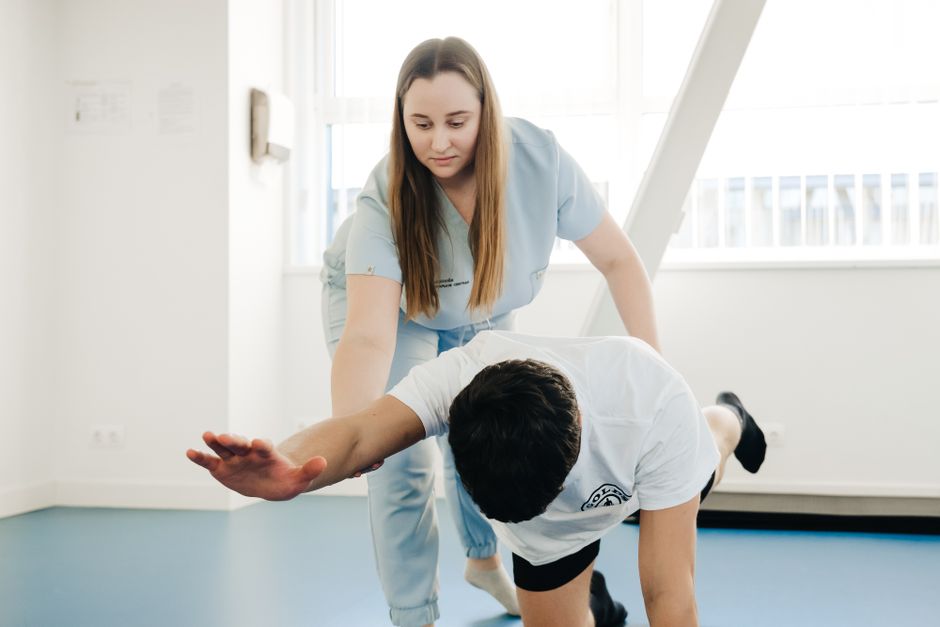
This scenario is more common than you'd think. Many people in the Durham Region — from Whitby to Ajax — reach for braces without a professional evaluation, sometimes prolonging their recovery unintentionally. A proper brace fitting, guided by a physiotherapist who truly listens to your pain points, can make all the difference. At Calm360, Melanie and the team take the time to understand your lifestyle, your injury history, and your goals before recommending any support device. That's the kind of personalized, compassionate care that sets us apart.
One of the most important things to understand is that braces are tools, not treatments. In many cases, the right answer isn't choosing between physiotherapy and a brace — it's using both together strategically. At Calm360, our one-on-one sessions ensure that your brace supports your rehabilitation rather than replacing it.
Here's when a combined approach is especially important:
We're proud to offer direct billing to most major insurance providers, meaning getting properly assessed and fitted for a brace in Whitby, Ontario is as accessible as possible. No upfront costs. No unnecessary delays in your care.
Walking into a new clinic can feel uncertain — especially when you're already dealing with pain. Here's what you can expect when you come to Calm360 in Whitby Ontario for a brace or support assessment:
Step 1 — A Thorough Intake: Your therapist will ask about your injury history, daily activities, and pain levels. There's no rushing through this process. Every detail matters.
Step 2 — Physical Assessment: Range of motion, strength, and stability tests help pinpoint which joint structures are involved and what level of support is appropriate.
Step 3 — Brace Recommendation & Fitting: Whether you need compression stockings, a rigid ankle brace, or a custom orthotics referral, you'll receive a personalized recommendation — not a one-size-fits-all solution.
Step 4 — Integration with Your Care Plan: Braces rarely work in isolation. Your therapist may recommend complementary services like massage therapy (RMT), acupuncture, or physiotherapy near me searches that bring you to evidence-based care right here in Whitby.
Step 5 — Follow-Up: True to Calm360's reputation, many patients receive follow-up calls to ensure their brace is working well and their pain relief is progressing. It's the kind of thoughtful, personalized care that patients describe as "truly personalized."
A few tips to arrive prepared:
Living with joint pain, instability, or a nagging injury doesn't have to be your new normal. Whether you need a knee brace after an MVA, compression stockings for circulation, or simply want an expert to evaluate what's going on — the warm, compassionate team at Calm360 in Whitby, Ontario is here for you. With direct billing, one-on-one personalized care, and a truly calming environment, you deserve support that actually fits. Book your appointment today at calm360.juvonno.com/portal/publicbook.php or call us at (905) 668-8360. Your recovery starts here.